
News
Today is International Women’s Day, and GOLIFT Elevators extends its sincerest greetings to every woman around the world! Thank you for your outstanding contributions to your families, workplaces, and society.
In GOLIFT’s global footprint, we consistently focus on and serve public and commercial spaces with a higher percentage of women—from hospitals and shopping malls to hotels and office buildings. We deeply understand that a safe, comfortable, and convenient vertical mobility experience is a crucial element in ensuring the efficient operation and humanistic care of these spaces. Every elevator custom-designed for hospitals, shopping malls, and industrial parks embodies our meticulous consideration and commitment to quality for women.
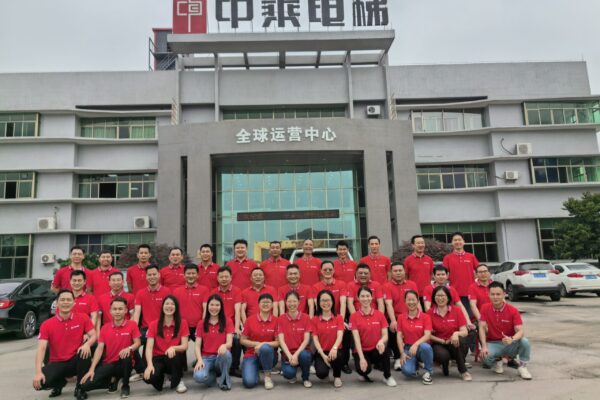
Furthermore, we are proud of our diverse, inclusive, and collaborative team culture. Within GOLIFT’s R&D, production, sales, and after-sales service system, numerous female professionals are growing alongside the company with their wisdom and resilience, jointly propelling “Made in Foshan” to the world stage.
A salute to every striving woman! May you, in every aspect of your life, ascend smoothly, just like riding a GOLIFT elevator, to your ideal destination. 🌷